A good local business can have a strong personality and a website that barely shows it. That was the problem I wanted to solve for TKG Custom Homes, a custom home builder in Seguin. The work had character. The old site felt like a template that could have belonged to another builder after a logo swap.
I built the new site around a simple idea: it should feel like walking into a TKG home. That does not mean filling the screen with decoration. It means giving the homes room to speak, explaining the process plainly and making the next step easy to find.
A strong brand inside a generic template
A template gives you places to put a headline, a photo and a button. It does not tell you what matters about the business. If the writing could describe any builder and the photos are squeezed into interchangeable boxes, the visitor has to supply the personality themselves.
That is a lot to ask of someone who has never heard of you. A referral might arrive with trust already built in. Someone looking you up for the first time needs enough detail to decide whether a conversation makes sense. I wanted the site to help that person understand TKG before reaching out.
The starting point was the business itself, not a collection of design effects. I looked at what the homes could show, what a prospective homeowner would want to understand and where the old presentation got in the way. That gave the design a purpose beyond looking newer.
Let the homes lead
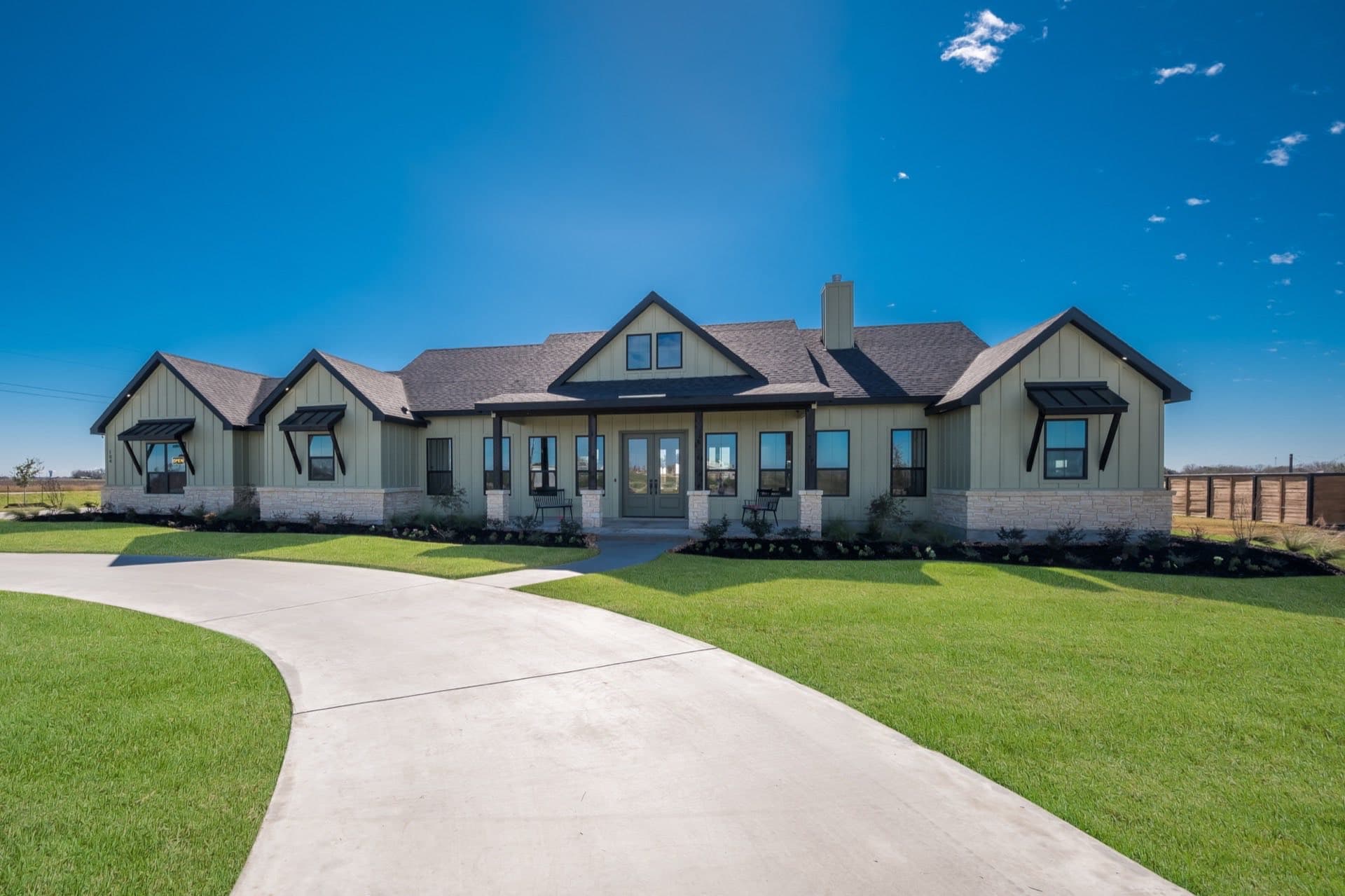
I gave the photography space. A home is more useful evidence than an oversized claim about excellence. The proportions, materials and relationship between rooms can tell a visitor something that a generic headline never will. The design needs to support that evidence without competing with it.
I also wanted the pages to feel connected. A visitor should be able to move from looking at the work to learning about the builder and then asking a question. If each page feels like a separate brochure, the owner ends up explaining the missing connections on the phone.
For me, personality is in those choices. It is the rhythm of the page, the photographs that get room and the words that stay after the unnecessary ones are removed. It should feel specific even before someone reads the business name.
Use proof that can be checked
A proof strip can help a visitor orient themselves, but only if the facts hold up. TKG’s own homepage says:
- 20+ years of experience.
- 7+ walkthroughs per build.
- Voted #1 residential home builder in Guadalupe County, 3 years running.
Those are TKG’s statements about its experience and process. They are more useful here than a vague promise about being the best. The walkthrough detail, for example, gives a prospective homeowner something concrete to ask about in a first conversation.
I want the writing to invite that conversation. A useful process explanation tells someone what they need to bring, what decisions are ahead and where to ask for clarification. It should not make a complicated project sound effortless just to get an inquiry.
Write like a person explaining the work
I rewrote the presentation in plain language. Phrases like superior craftsmanship can sit on almost any builder’s site. They do not help a homeowner understand the business. Specific details about the work and the next step give the reader something they can actually use.
There is a difference between sounding confident and making every sentence a sales claim. I would rather a visitor leave with a clear question for TKG than a head full of adjectives. The site should help a person get comfortable enough to have a real conversation about a home.
What the search checks show
I also check TKG weekly in ChatGPT, Gemini and Perplexity. ChatGPT, Gemini and Perplexity named TKG in 14 of 15 weekly checks since June 28, and in each of the last 10. As of September 29, 2026. This is a spot check, not a ranking: I sample each assistant with the same question, “Who are the best custom home builders in Seguin, TX? List the top 3 with a one-sentence reason each.” The record includes a miss on July 21, when ChatGPT and Gemini left TKG out. These checks do not prove which design change caused a mention or predict what every homeowner will see. The TKG case study has the record and its limits.
The lesson for your own site
You do not need to build homes for this to apply. An owner-run office, shop or service business can have the same gap between its real reputation and its website. I start by asking what customers already appreciate, what they need to know and what the site fails to explain.
If your website could belong to somebody else after changing the logo, that is a useful place to start. I am Ryan Johnson in Seguin. You can ask me for a free website check, and I will look at whether your site gives a stranger a clear picture of the business you actually run.